
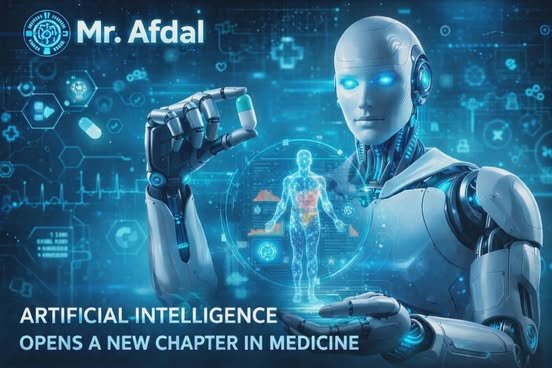
Artificial intelligence (AI) is starting to change the world of medicine in ways that once sounded like science fiction. One of the strongest signs of this change is a new drug called Rentosertib, developed by the company Insilico Medicine using AI from start to finish. The drug is now close to entering Phase 3 clinical trials, a crucial step before possible approval.
This alone is a historic moment. If successful, Rentosertib could become the first medicine fully designed by artificial intelligence to reach patients.
Rentosertib is being developed to treat idiopathic pulmonary fibrosis (IPF), a serious and often fatal lung disease that affects tens of thousands of people every year. Patients with IPF slowly lose their ability to breathe as lung tissue becomes stiff and scarred. Current treatments are limited and cannot fully stop the disease.
Early trial results for Rentosertib have been very promising. Patients showed improved lung function in a much shorter time than usually seen with traditional drug development. Even more impressive is the speed of creation: the drug moved from idea to human testing in just two years, while traditional methods often take five years or more.
This success has caught the attention of investors worldwide. In just one year, AI-powered drug companies attracted more than three billion dollars in funding. Investors now believe that algorithms can cut both time and cost dramatically, while increasing the chances of finding effective treatments.
Large pharmaceutical companies are also reacting. Firms like Eli Lilly are building massive AI systems to test millions of chemical compounds in record time. At the same time, smaller start-ups such as Chai Discovery are reaching multi-billion-dollar valuations by using AI to create new medicines faster than ever before. This has created a real race between global giants and agile innovators.
Insilico Medicine itself has entered a new phase of growth. After listing on the Hong Kong Stock Exchange, the company has expanded its global partnerships and research efforts. This shows that AI is no longer just a helpful tool in drug research—it is becoming the core engine of the industry’s future.
If Rentosertib successfully passes its final trials, medicine may officially enter a new era. An era where treatments are developed faster, costs are lower, and hope arrives sooner for patients who urgently need it. Artificial intelligence may not replace doctors, but it is clearly becoming one of their most powerful allies.





Leave a Reply